CSRA Spring Weather Guide: Navigating Temperature Swings, Freeze Warnings, and Severe Storm Season
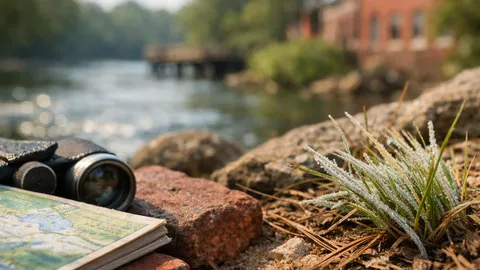
One morning you're sipping iced coffee on your porch in Augusta, and by the next morning you're scrambling to cover your azaleas because the National Weather Service just issued a freeze warning. Welcome to spring in the Central Savannah River Area, where Mother Nature can't quite make up her mind.
If you've lived in the CSRA for more than one spring season, you know the drill. We're talking 75 degrees on Tuesday, frost advisories by Thursday, and tornado watches by Saturday. It's not unusual, and it's definitely not a fluke. Spring weather in our corner of Georgia and South Carolina is genuinely wild, and understanding why helps us prepare better.
Why CSRA Spring Weather Is So Unpredictable
Our location makes us a meteorological battleground. We sit right where warm, humid air from the Gulf of Mexico collides with cold fronts sweeping down from the north. The jet stream — that ribbon of fast-moving air high in the atmosphere — shifts position throughout spring, sometimes dipping south and bringing Arctic air right into Richmond County and Aiken, other times retreating north and letting Gulf warmth dominate.
This tug-of-war creates the temperature roller coasters we experience. A strong southerly flow can push temperatures into the 80s in Columbia County, but when a cold front punches through, we can drop 30-40 degrees in less than 24 hours. Add in the instability that comes from these clashing air masses, and you've got the recipe for severe thunderstorms, hail, damaging winds, and occasionally tornadoes.
Month-by-Month: What to Expect
March: The False Start
March teases us with warm days that make us think winter is over. Average highs typically climb into the upper 60s and low 70s across Augusta and Aiken, and we start seeing those first blooms on Bradford pears and daffodils. But March is notorious for late-season freezes. The last average freeze date in Augusta is typically in late March, but freezing temperatures can occasionally occur into early April.
This is when gardeners across Fort Gordon and Columbia County get antsy, wanting to plant tomatoes and peppers. Resist the urge. Extension agents typically advise waiting until after the last frost date, and they're right. Those eager transplants you set out in mid-March might not survive a 28-degree morning.
March also brings our first real severe weather threats. Tornado risk increases as the month progresses, particularly during the second half. Keep weather apps updated and pay attention when storm systems approach.
April: Peak Volatility
April is beautiful and chaotic. Average highs typically reach the mid-70s, but mornings can still drop into the 30s, especially early in the month. This is prime severe weather season for the CSRA. The atmospheric dynamics that create tornadoes are most favorable in April — we have strong jet stream energy, plenty of Gulf moisture, and significant temperature contrasts.
Thunderstorms can develop quickly, especially in the afternoon and evening hours. Richmond County and Aiken County both see an uptick in severe thunderstorm warnings during April. Large hail, damaging straight-line winds, and tornadoes are all possible. This is not the month to ignore weather alerts.
For our agricultural community, April brings anxiety. Peach farmers in the region watch temperatures obsessively. A late freeze during bloom can devastate the crop. Even a few hours of freezing temperatures can damage developing fruit, impacting the harvest months later.
May: Transitioning to Summer
By May, we're usually done with freeze threats (though never say never in the CSRA). Average highs typically reach the 80s, and humidity starts building. Severe weather risk continues but gradually shifts. We see fewer classic cold-front-driven tornado setups and more pulse thunderstorms that pop up in the afternoon heat.
May storms can still pack a punch — damaging winds and large hail remain threats — but the overall severe weather frequency starts declining as we transition toward summer weather patterns. Heat becomes more of a concern, especially for outdoor workers at Fort Gordon and across Columbia County's growing residential areas.
Practical Severe Weather Preparedness
Building Your Weather Alert System
Don't rely on just one source for weather information. We recommend a layered approach:
- Weather radio: Get a NOAA weather radio with battery backup and specific area message encoding (SAME) for Richmond County, Columbia County, or Aiken County. These radios alert you to warnings even when you're asleep.
- Smartphone apps: Enable wireless emergency alerts on your phone. Download apps like Weather Underground or the official NOAA Weather app for radar and alerts.
- Local meteorologists: Follow trusted local meteorologists on social media. They provide context that automated alerts can't match.
- Outdoor warning sirens: Many CSRA communities have outdoor tornado sirens, though coverage varies. These sirens are designed to alert people outdoors. Don't count on hearing them inside your home.
Essential Severe Weather Kit
Every CSRA household should have a severe weather kit ready. Store it in your designated safe space — an interior room or bathroom on the lowest floor, away from windows. Include:
- Battery-powered or hand-crank weather radio
- Flashlights and extra batteries
- First aid kit and essential medications
- Water (one gallon per person per day for three days)
- Non-perishable food
- Phone chargers and power banks
- Important documents in a waterproof container
- Cash
- Sturdy shoes and work gloves
- Whistle to signal for help
If you have pets, include supplies for them too. Many CSRA residents evacuate to interior bathrooms with their dogs and cats when tornado warnings are issued.
Garden and Landscape Protection
Those temperature swings that define CSRA spring weather wreak havoc on gardens. Here's how to protect your investment:
For Freeze Protection:
- Cover tender plants with frost cloth, old sheets, or even cardboard boxes before sunset. Don't use plastic directly on plants.
- Water plants thoroughly before a freeze. Moist soil holds heat better than dry soil.
- Bring potted plants indoors or into a garage.
- Don't prune freeze-damaged plants immediately. Wait until new growth appears so you know what's truly dead.
For Storm Protection:
- Secure or store patio furniture, grills, and decorations that could become projectiles.
- Trim dead branches from trees before storm season intensifies.
- Know where your main water shut-off is in case of hail damage to pipes or fixtures.
- Document your landscape and property with photos for insurance purposes.
Home Maintenance for Spring Weather
Spring storms test our homes. Walk your property and address these common vulnerabilities:
- Clean gutters and downspouts so heavy rain can drain properly
- Check roof shingles for damage from winter
- Trim tree branches hanging over your house or power lines
- Test your sump pump if you have one
- Inspect window and door seals
- Know how to shut off utilities (gas, water, electricity)
- Consider a whole-house surge protector for lightning protection
Impact on CSRA Agriculture
Spring weather volatility hits farmers hard. The CSRA's agricultural economy, from peach orchards to row crops, depends on navigating these temperature swings successfully.
Peach farming is particularly weather-dependent. Growers need enough chill hours in winter for proper dormancy, a gradual spring warm-up for bloom, and then protection from late freezes. When National Weather Service officials issue freeze warnings in late March or early April, peach farmers across the region might deploy wind machines or irrigation systems to prevent frost damage. A single bad freeze can cause significant economic damage to the region's peach industry.
Extension agents from both the Georgia and South Carolina sides of the river work overtime during spring, advising farmers and home gardeners alike on timing, protection strategies, and damage assessment. They're an excellent free resource for CSRA residents dealing with weather-related agricultural questions.
Local Weather Resources
Stay informed with these trusted sources:
- National Weather Service: Provides forecasts and warnings for the CSRA. Follow them on social media for detailed briefings before significant weather events.
- Local television meteorologists: Local television stations including WRDW, WJBF, and WAGT provide CSRA weather coverage and forecasting.
- UGA Extension and Clemson Extension offices: Offer guidance on protecting crops and gardens from weather extremes.
- Emergency Management: Both Richmond County and Aiken County have emergency management agencies that provide community alerts and preparedness information.
Looking Ahead: Spring into Summer
As we move through spring and approach summer, watch for these transitions:
- Freeze risk essentially disappears by mid-to-late April
- Severe weather shifts from tornadic supercells to damaging straight-line winds and pulse storms
- Heat and humidity increase steadily through May
- Afternoon thunderstorms become the norm rather than the exception
- Hurricane season begins June 1, though direct impacts on the CSRA are rare
The good news? Once we get past the spring volatility, summer weather in Augusta, Aiken, and across the CSRA becomes more predictable. Hot, humid, with scattered afternoon storms. We'll take predictable heat over surprise freeze warnings any day.
Your Spring Weather Action Plan
Here's your checklist for navigating CSRA spring weather successfully:
- Set up multiple weather alert systems now
- Assemble your severe weather kit before the next storm system
- Don't plant tender annuals or vegetables until after your area's last frost date
- Walk your property and address maintenance issues that could worsen in storms
- Know your safe place for tornado warnings
- Keep frost cloth or old sheets handy through mid-April
- Follow trusted local meteorologists for context and advance warning
- Review your homeowner's insurance coverage for weather-related damage
Spring in the CSRA keeps us on our toes, but it's also when our azaleas explode in color, dogwoods bloom along the Savannah River, and Masters week reminds the world why we love living here. Understanding the weather patterns that come with the season helps us enjoy the beauty while staying safe through the storms. Welcome to spring, y'all. Keep those weather apps updated.
Related Posts
Spring Severe Weather Preparedness in the CSRA: What to Know About Tornado Season
When Spring Freezes Threaten Georgia's Peaches: Inside the Fight to Save the CSRA's Most Iconic Crop
Hurricane Preparedness: What Every CSRA Resident Needs to Know Right Now
Explore Local Businesses
Browse related categories in our directory